PhD Alumni Stephen Neely and Michael Arnold Mages Publish "Somaesthetic Design"
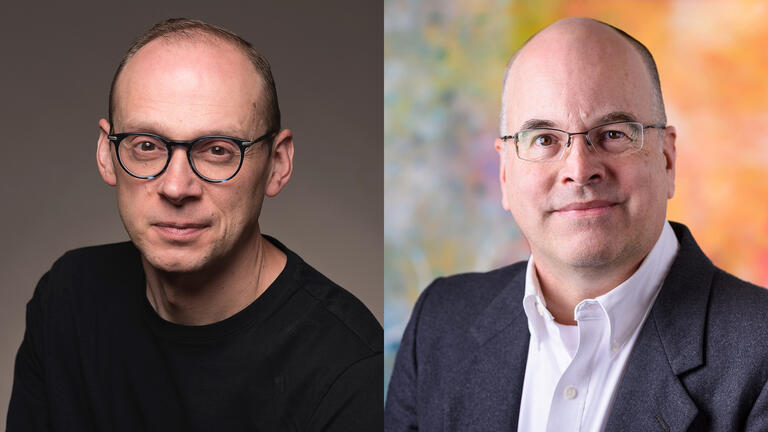
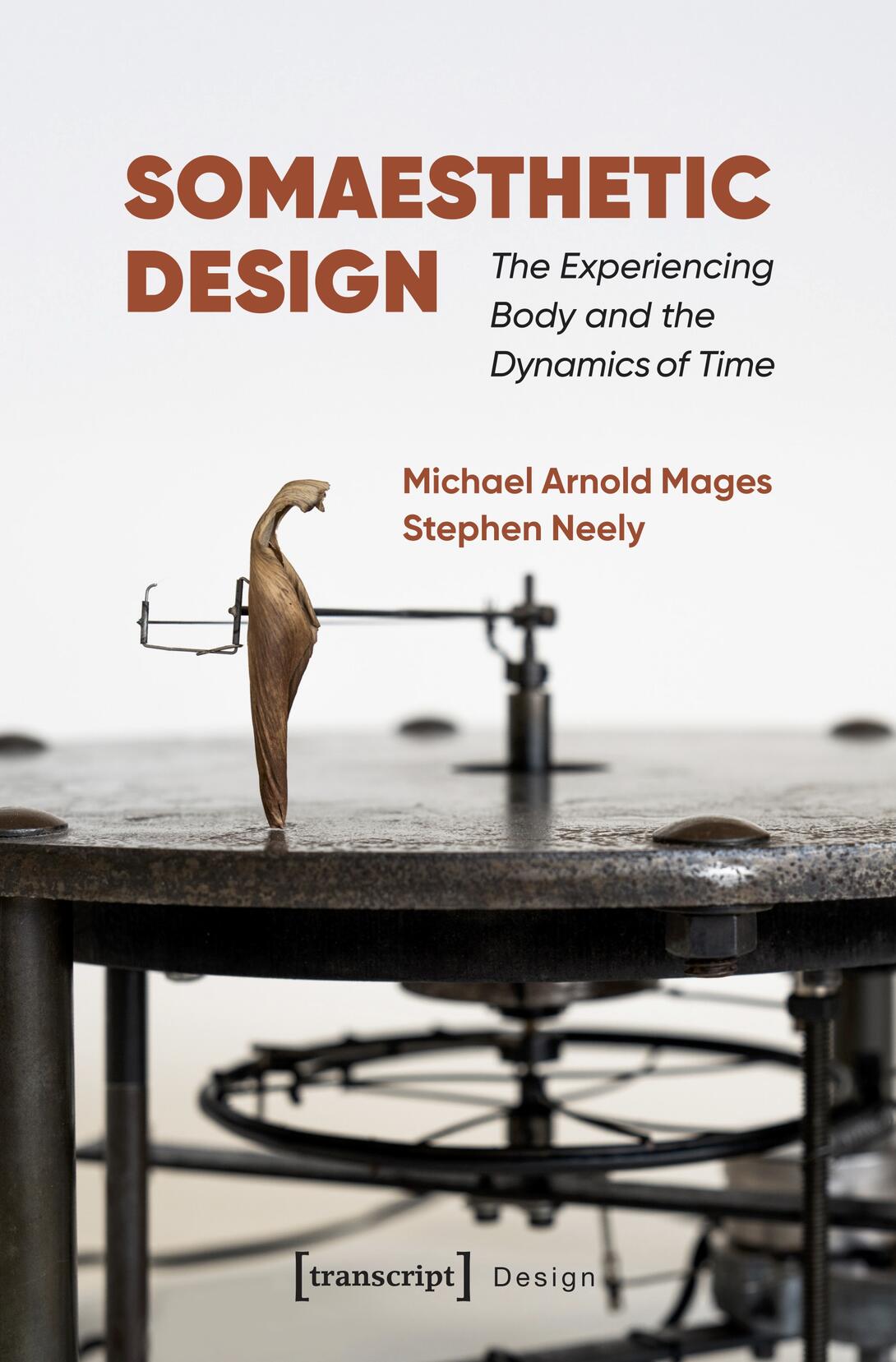
Carnegie Mellon University's School of Design PhD alumni Stephen Neely and Michael Arnold Mages are releasing their new book, Somaesthetic Design: The Experiencing Body and the Dynamics of Time, on April 27. The book offers a new framework for understanding design, not as a collection of static objects, but as a series of lived, unfolding experiences shaped by time and the body.
At its core, Somaesthetic Design invites readers to reconsider how design operates in everyday life. From navigating a website to moving through a hospital or classroom, our experiences are not fixed or purely visual, they unfold moment by moment, shaped by timing, effort, and interaction. Neely and Mages argue that these dynamics profoundly influence how people feel within systems: whether they feel supported, frustrated, included, or excluded.
“Design is not just about how things look, but how they unfold in time for real, living bodies,” the authors explain. “A website, a transit system, or a classroom isn’t just a static object, it’s an experience that plays out like a piece of music or a scene in a film.”
Drawing on backgrounds in music, design, and embodied practice, Neely and Mages developed the book in response to a gap they observed in design theory. While designers are often asked to map “journeys” and “experiences,” the tools used, like charts, diagrams, and flow models, tend to treat experience as a series of static steps rather than a continuous, felt flow.
In contrast, Somaesthetic Design introduces a vocabulary rooted in time-based and bodily experience. Concepts such as rhythm, tempo, flow, friction, and “biocost,” the physical and emotional effort required to move through a system, offer new ways to analyze and design interactions. These ideas help explain why some experiences feel seamless and humane, while others feel exhausting or alienating.
The authors emphasize that this approach is not limited to designers. Anyone who has waited in a long line, struggled through a confusing digital interface, or felt time stretch in a hospital waiting room has already encountered the phenomena the book describes. By naming these experiences, the book equips readers across fields, from education to policy to leadership, with tools to better understand and shape them.
Implementing Somaesthetic Design, Neely and Mages argue, is ultimately about making systems more humane. Every designed experience places demands on the body: time, attention, movement, and emotional energy. When these demands go unexamined, systems can unintentionally become demeaning or exclusionary. By focusing on lived, embodied experience, designers and decision-makers can better align their work with how people actually experience the world.
“If life is interaction, and design shapes interaction, then design is unavoidably ethical,” they note. “You are not just shipping a product, you are shaping how bodies inhabit time, how communities move together, and how power is felt and exercised.”
The book also reflects the influence of Neely and Mages’ time at Carnegie Mellon. Their work draws on the School of Design’s emphasis on experience as the core of design, as well as a broader university culture that encourages transdisciplinary thinking. Their approach brings together insights from music, philosophy, human-computer interaction, and movement-based practices into a unified perspective on design.
“The book is, in many ways, a crystallization of those educational influences,” they write, pointing to CMU’s encouragement to explore across disciplines and to treat embodied experience as a legitimate and essential dimension of design.
With Somaesthetic Design, Neely and Mages offer both a conceptual shift and a practical toolkit; one that challenges designers and others to think more carefully about how the systems they create are felt over time. Their hope is that readers will leave with a new awareness of everyday experiences and a stronger sense of responsibility for shaping them.
“If a reader closes the book thinking, ‘I now see experience as something dynamic that I can read, shape, and be accountable for,’” they say, “we’ve achieved our goal.”
Learn more about the PhD in Transition Design Program at CMU